
|
Respect Our Ocean Environment
1. Will I see turtles or other marine life?
2. Can I feed the reef fish? Look, but PLEASE do not feed the fish or any other marine animals. Fish feeding can have disastrous effects on the health of coral reefs and reef fish. Just as ecological imbalance alters predator-prey relationships on land, feeding fish can push delicate coral reef ecosystems out of balance. For instance, when grazers like surgeonfish (which normally feed on algae) are fed by tourists, the surgeonfish eat less algae. With a reduction of grazing activity by these herbivorous fish, the algae is left to flourish and potentially smoother the reefs. 3. Can I take coral or stand on the reef?
Simply touching corals to see what they feel like can cause the death of an entire colony. Oils from your skin can disturb the delicate mucous membranes which protect the animals from disease. If feeding coral is startled, it retracts for protection and in doing so is unable to feed. Do not walk upon or stand on coral, as this can kill the living coral polyps that are the builders of the reef structure. Consider a flotation device (placed under chest) if you are not a good swimmer and never stand on coral to adjust your mask. Search for a sandy bottom that is coral free to stand. Make sure that your feet or fins do not kick the reef when you swim near the reef or when you are swimming away from the reef. Do not touch, pickup or hold reef life, including octopus. Even experienced divers have at some time in their life accidentally bumped or broken coral, so the inexperienced should be particularly careful. 4. How else can I help protect the coral? One of the best and easiest ways you can help protects the coral is to use reef safe sunblock free from oxybenzone and oxtinoxate. Research has shown that just one drop of oxybenzone in an ocean area the size of six and a half Olympic swimming pools is enough to damage coral. Please keep our beaches and ocean trash fee. In addition to picking up your own trash, carry away the trash that others have left behind. Beach litter poses a significant threat to the health and survival of marine organisms, which can swallow or get entangled in beverage containers, plastic bags, six pack rings and other debris. Kama'aina United to Protect the 'Aina |

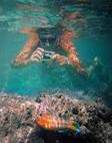 There
is a good chance that you will get to see turtles and other marine
animals. Please help us to nurture and protect our marine life by
respecting our marine animals and admiring them from an appropriate
distance. The National Oceanic and Atmospheric Administration (NOAA)
and Department of Land and Natural Resources (DLNR) recommend, for
your safety and the animals' protection, that everyone stay at least
10 feet (3 meters) from all sea turtles and stay at least 50 yards
away from dolphins.
There
is a good chance that you will get to see turtles and other marine
animals. Please help us to nurture and protect our marine life by
respecting our marine animals and admiring them from an appropriate
distance. The National Oceanic and Atmospheric Administration (NOAA)
and Department of Land and Natural Resources (DLNR) recommend, for
your safety and the animals' protection, that everyone stay at least
10 feet (3 meters) from all sea turtles and stay at least 50 yards
away from dolphins.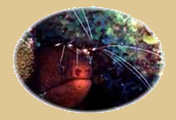 Look,
but PLEASE don't touch! The coral reef ecosystems feed, shelter
and provide habitats for our marine animals and fish. Please help
protect our Hawaiian reefs. Corals are colonies of very small animals
which may take hundreds of years to form the structures visible
today.
Look,
but PLEASE don't touch! The coral reef ecosystems feed, shelter
and provide habitats for our marine animals and fish. Please help
protect our Hawaiian reefs. Corals are colonies of very small animals
which may take hundreds of years to form the structures visible
today.